










By Atukwatse Ritah,
KAMPALA
The government of Uganda has intensified efforts to develop museums and heritage sites as a key driver of tourism, cultural diplomacy, and national unity ahead of the 2026 International Museums Day, officials have said.
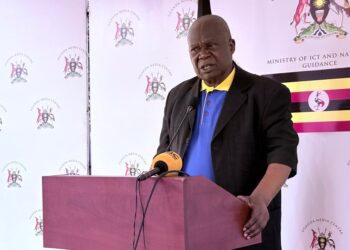
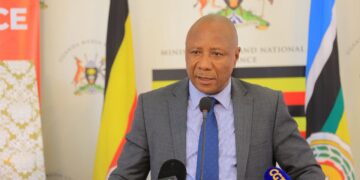
Speaking at a media briefing, the State Minister for Tourism, Wildlife and Antiquities, Martin Mugarra Bahinduka, said Uganda is using its cultural heritage to position itself globally while promoting mutual understanding among communities.
“Uganda has positioned itself internationally to champion tourism through cultural diplomacy and mutual understanding, showcasing the uniqueness of its heritage to the global world,” he said. “This year’s International Museums Day provides a platform to promote museums as safe spaces for dialogue, mutual understanding, and unity.” The annual event, marked every May 18, will in 2026 be aligned with the African Union Agenda 2063, which emphasizes African identity, shared values, and cultural heritage as pillars of development.
According to the minister, the Ministry of Tourism, Wildlife and Antiquities, through the Department of Museums and Monuments, is investing in infrastructure and restoration of key historical sites across the country to promote peace and economic growth.
Among the sites under development is the Balonyo memorial site in Dokolo District, which commemorates past conflict and is expected to serve as a symbol of reconciliation. Other sites include Fort Patiko in Gulu District, a historic slave trade location undergoing improvements, and the Equator monument in Kayabwe, where new facilities such as restaurants are being added to enhance visitor experience.
The government is also expanding regional access to heritage through new museums, including one in Moroto in the Karamoja sub-region, which will showcase fossils, minerals, and cultural artifacts.
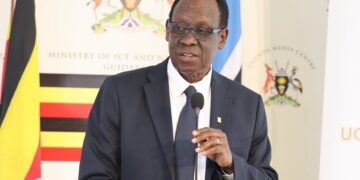
Acting Commissioner for Museums and Monuments, Jacqueline Nyiracyiza Besigye, said the developments are aimed at making museums more accessible and relevant, especially to Ugandans.
“We want to return to you a museum that you will appreciate,” she said.
“We do not want to work for international tourists alone, but for Ugandans to appreciate and love their heritage. These are safe spaces where people can interact, learn, and create unity.” she added.
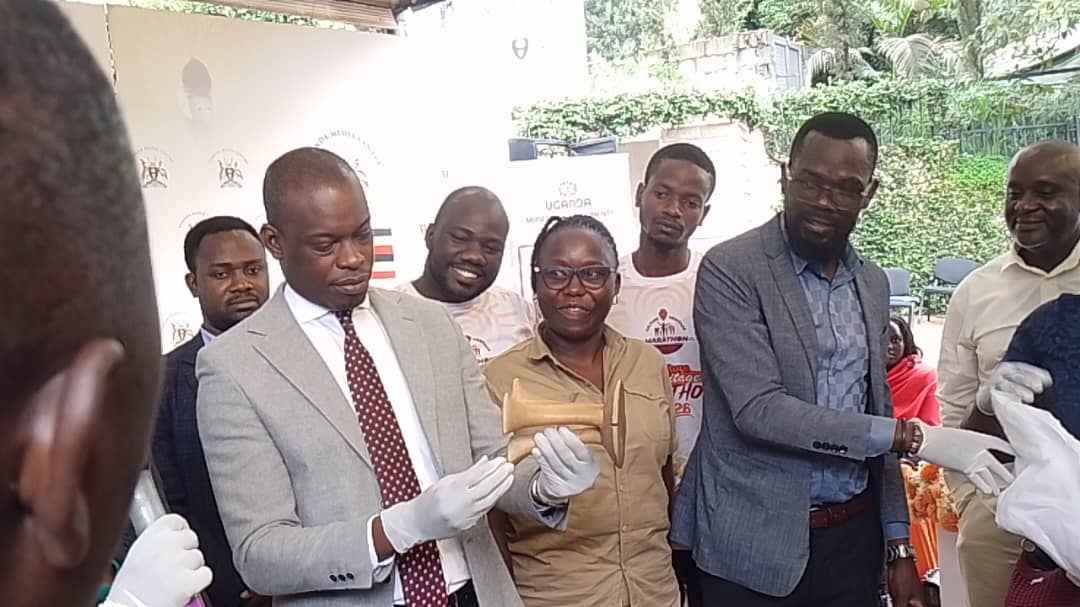
Nyiracyiza added that Uganda is also benefiting from global efforts to return cultural property, revealing that 43 artifacts were recently repatriated from the Netherlands at a transport cost of Shs15 million.
“Remember we have an international dialogue where countries are repatriating objects to their original homes,” she said. “When these objects return, we continue to research and take them back to communities so people understand their history and heritage.”
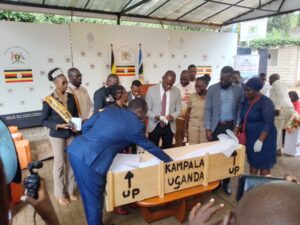 She further revealed that the National Museum in Kampala is now 79 percent complete and is expected to reopen in the next financial year after installation of modern exhibition equipment being imported.
Officials say tourism remains one of Uganda’s top economic sectors, contributing about $1.7 billion to the economy in 2025 and employing more than 860,000 people. The government has identified it as a key growth area under Uganda Vision 2040 and the National Development Plan IV.
The ministry is also finalizing new regulations under the Museums and Monuments Act to guide the management of heritage sites, including licensing private and community museums and protecting historical areas such as the Kasubi Tombs buffer zone.
With these developments, government officials say Uganda is not only preserving its past but also using it as a tool for economic transformation, education, and social cohesion as the country prepares for the 2026 International Museums Day.