












KAMPALA
Government and key agricultural stakeholders have unveiled a new nationwide framework to establish practical farmer training centres in every parish, in a bid to address persistent gaps undermining the impact of the Parish Development Model (PDM).
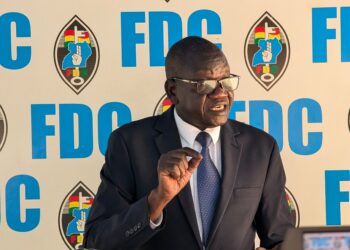
The initiative, announced by Uganda Development Forum (UDF) executive director Edward Katende, seeks to tackle what he described as a “dangerous paradox” where Uganda’s agricultural potential coexists with stubborn rural poverty.
“Government has injected Shs100m per parish under PDM, which addresses access to capital, but without farmer education, enterprise selection and guidance, conversion into sustainable businesses remains dangerously low,” Katende said.
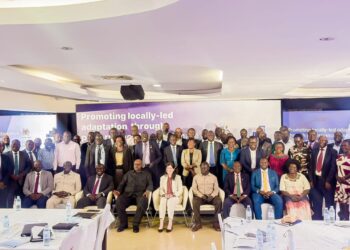
Under the new arrangement, UDF, the Uganda National Farmers Federation (UNFFE), Operation Wealth Creation (OWC), the PDM Secretariat and local governments will implement a coordinated parish-level model focused on farmer training, enterprise incubation and market linkages.
At the centre of the strategy is the rollout of practical training centres in all 10,594 parishes, where farmers will learn hands-on agricultural skills, enterprise selection and modern agronomic practices.
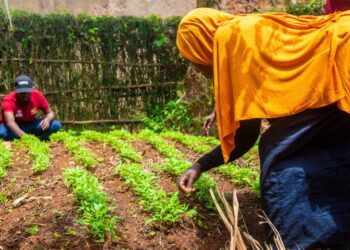
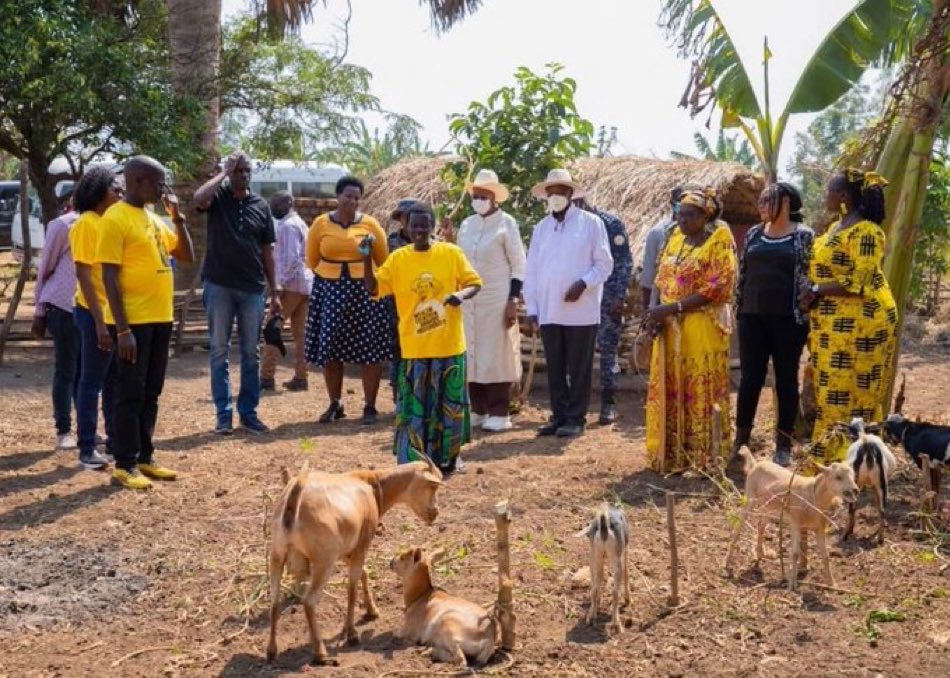
“These will not be halls but working demonstration sites led by model farmers where people learn by doing,” Katende explained.
The centres will also serve as meeting points for farmers, input dealers and produce buyers, creating a structured ecosystem to support agricultural commercialisation.
Katende warned that millions of eligible households remain unaware or unable to effectively utilise government programmes due to lack of structured support, despite continued funding.
He added that young people, who make up over 70% of Uganda’s population are increasingly abandoning agriculture, posing a threat to the country’s future food security.
“Without deliberate intervention, Uganda risks losing an entire generation of agro-preneurs,” he said.
UNFFE president Dick Kamuganga said the federation will lead farmer mobilisation and capacity building across the country, targeting thousands of parishes.
“We are focusing on empowering smallholder farmers to become an engine of growth for the country,” Kamuganga said.
He also noted that the partnership will address the challenge of counterfeit agricultural inputs by promoting access to certified products through a coordinated distribution system.
Local governments have been tasked to play a more active role, with chief administrative officers and town clerks now required to support farmer mobilisation and track transformation outcomes rather than merely oversee programme implementation.
Officials cited Mubende Municipality as a model, where strong local leadership has led to improved uptake of PDM and voluntary loan repayments by beneficiaries.
The partnership will also prioritise youth engagement through skilling hubs, linking training with access to capital and mentorship to increase success rates in agro-enterprises.
The new framework will be showcased at the 32nd National Agriculture Show in Jinja scheduled for June 26 to July 11, 2026, where beneficiaries will exhibit enterprises and interact with investors.
Katende emphasised that the initiative marks a shift from isolated interventions to an integrated, evidence-based system.
“Capital without capacity is not development,” he said.