














By Leonard Kamugisha Akida
KAMPALA
The Government has declared Tuesday, July 28, 2026, a public holiday to allow Ugandans to participate in the Local Council One (LC1) scheduled across the country.
The polls, organised by the Electoral Commission (EC), will see voters elect LC1 chairpersons in all the country’s 71,214 villages across the country.
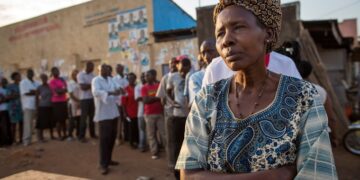
Voting will begin at 7:00am and end at 5:00pm. The EC said the elections will be conducted using the lining-up method, where voters queue behind a candidate, the candidate’s portrait or an authorised agent at designated village meeting venues.
Only the LC1 chairperson will be elected through voting by registered village residents appearing on the EC village register.
Addressing journalists on Wednesday, EC chairperson Justice Simon M. Byabakama said that after being elected, the LC1 chairperson will immediately appoint members of the village executive committee from nominees proposed by members of the village council.
The executive committee will comprise the vice chairperson, who also serves as secretary for children’s welfare, the general secretary, secretary for information, education and mobilisation, secretary for security, secretary for finance, and secretary for production and environmental protection.
Justice Byabakama explained that other special interest group representatives will automatically become members of the executive committee by virtue of their positions. These include the chairpersons of the village youth council, women council, persons with disabilities (PWDs) council and older persons council.
He cautioned public servants against contesting for Local Council positions, saying they are barred from holding such political offices while serving in government employment.
Byabakama also urged candidates, voters and security agencies to ensure peaceful, free and fair elections, warning against acts of violence, intimidation and electoral malpractice.
The Government has released Shs56 billion to facilitate the organisation and conduct of the elections.
The Local Council elections are expected to fill grassroots leadership positions that play a key role in community mobilisation, local governance, dispute resolution and implementation of government programmes.