












HEALTH
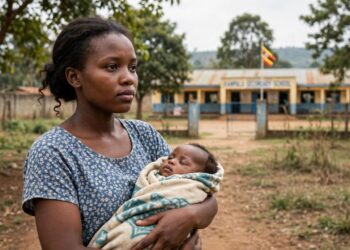
When nine-year-old James Ssemambo suffered severe malaria in Kitosi, Mukono district, his mother Sarah Nankya spent three days at a health centre, losing work and income.
Even after returning home, James missed over a week of school. “He was still weak and sometimes had difficulty concentrating,” Nankya says.
Her story reflects a hidden burden of malaria. WHO estimates Africa had 94% of cases and 95% of deaths globally in 2024, with children under five making up three-quarters of deaths.
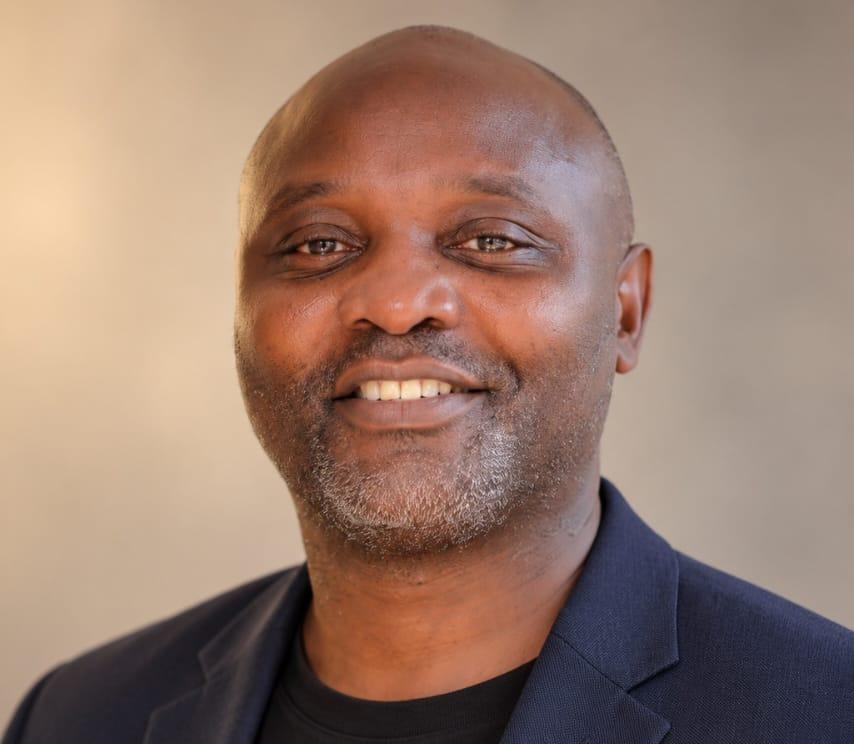
But survival is not the end. Research by Dr. Paul Bangirana of Makerere University, who has studied malaria’s effects for over two decades, shows long-term consequences.
A 2026 study published in JAMA, co-authored by Bangirana, followed 889 participants. It found survivors of cerebral malaria or severe malarial anaemia had lower cognitive ability and maths scores than other children when assessed 4 to 15 years later.
“Survival of malaria is paramount. However, the secondary effects of a severe episode can be debilitating,” Bangirana said.
Interviews with caregivers also found behavioural changes, poor academic performance, family disruption and constant worry about repeated attacks.
“When the fever goes down, it does not mean the child is fully okay,” Nankya said.
With drug and insecticide resistance threatening progress, researchers say prevention remains critical not just to save lives, but to protect children’s futures.
Existing tools like treated nets, medicines and vaccines are saving lives, while African-led initiatives like Target Malaria are researching new complementary approaches, including gene drive technology to reduce malaria-transmitting mosquitoes.