








KAMPALA
President Yoweri Kaguta Museveni has assured the World Health Organization (WHO) of Uganda’s commitment to containing the ongoing Ebola outbreak, stressing the need for regional cooperation and quick public health measures.
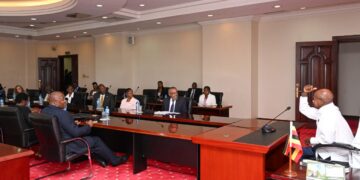
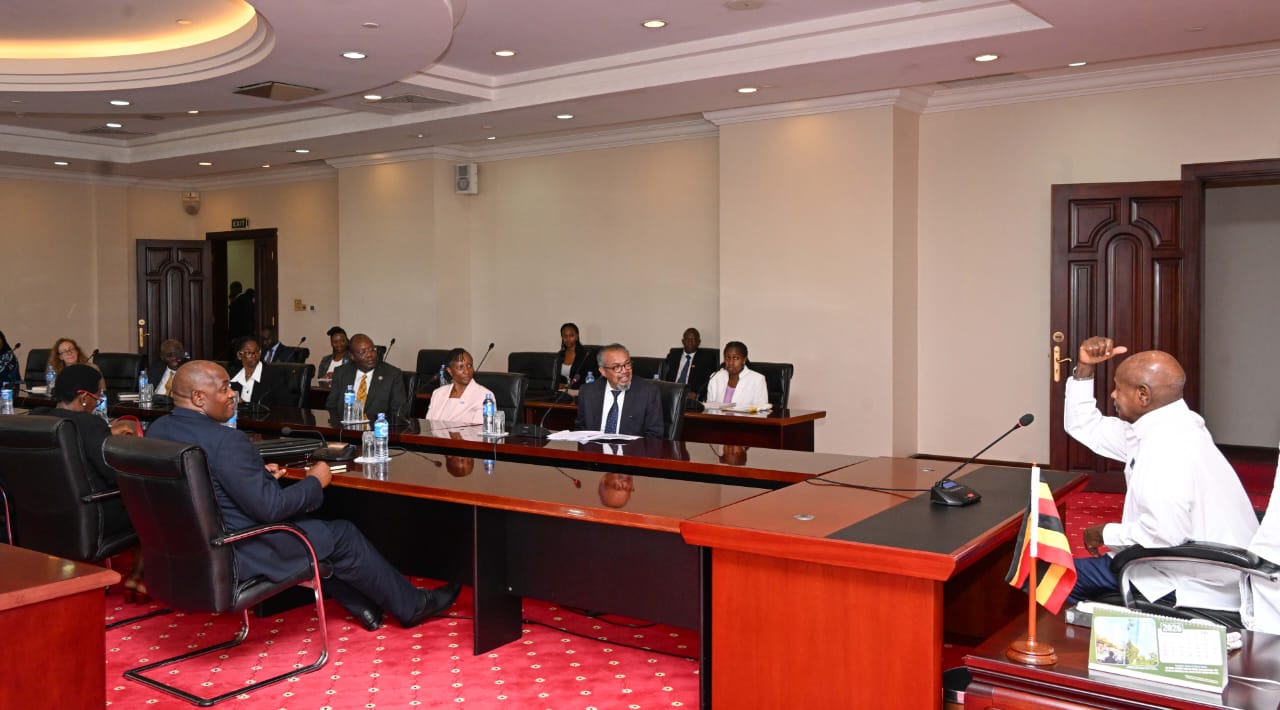
Museveni made the remarks on Monday during a meeting with the WHO Director-General, Dr Tedros Adhanom Ghebreyesus, at State House Entebbe. The meeting was attended by senior officials from the Ministry of Health and the WHO Uganda Country Office.
The President said Uganda had strengthened measures to control the outbreak and was working with neighbouring countries, especially the Democratic Republic of Congo (DRC), to prevent further spread of the disease.
Museveni said he had held discussions with DRC President Félix Tshisekedi on improving cooperation between the two countries.
“We have been engaging our counterparts in the DRC to ensure that we work together in addressing this challenge,” Museveni said.
The Permanent Secretary in the Ministry of Health, Dr Diana Atwine, told the meeting that Uganda was managing 19 confirmed Ebola cases.
She said 14 of the cases involved members of the same family who entered Uganda from the DRC. However, she noted that no new Ebola cases had been recorded in the three days preceding the meeting.
“Our surveillance and response teams remain fully engaged. We continue to monitor contacts, strengthen screening measures, and ensure that all suspected cases are promptly identified and managed,” Atwine said.
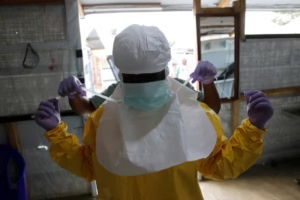 Atwine revealed that the Ministry of Health had identified four strategic locations near the Uganda-DRC border where medical camps would be established to support Ebola response efforts.
The facilities are expected to provide treatment closer to affected communities in the DRC and reduce the number of patients crossing into Uganda seeking medical care.
Health Minister Dr Chris Baryomunsi said the move would strengthen cross-border disease control by addressing the outbreak closer to its source.
Museveni welcomed the proposal and advised that the centres should be located near the border to serve people seeking treatment.
“It should be near the border, not far inside the DRC, because we are targeting those who are trying to escape and seek treatment elsewhere,” he said.
The President also defended the decision to suspend this year’s Uganda Martyrs Day celebrations at Namugongo, saying the move was necessary to prevent a possible increase in Ebola infections.
The annual event attracts millions of pilgrims from Uganda, the DRC, Tanzania, Kenya and other countries.
Dr Tedros commended Uganda’s decision, describing the suspension as a responsible public health measure.
“Thank you for stopping the Martyrs Day celebrations. It was going to be a super-spreader event,” he said.
The WHO chief praised Uganda’s experience in managing disease outbreaks and pledged continued support through funding, technical expertise, logistics and additional personnel.
He also welcomed Uganda’s plan to support Ebola response efforts inside the DRC and encouraged continued engagement between regional leaders to contain the outbreak.