













By Gilbert Akampa Kakurugu,
MBARARA
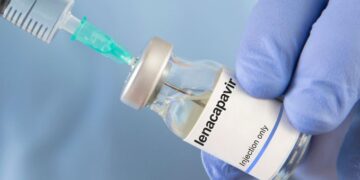
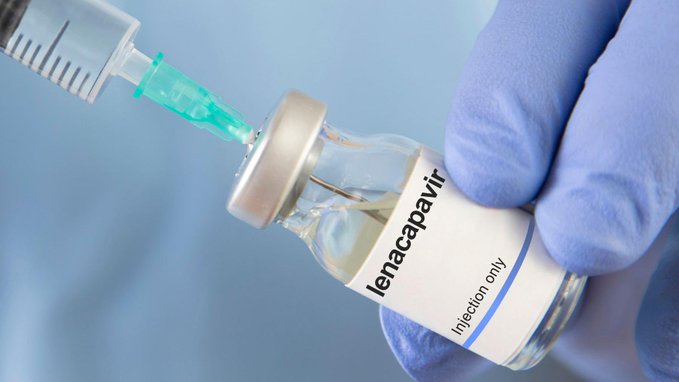
Sex workers have appealed to government to increase supplies of Lenacapavir, the twice‑yearly HIV prevention injection, citing growing demand and limited availability at health facilities.
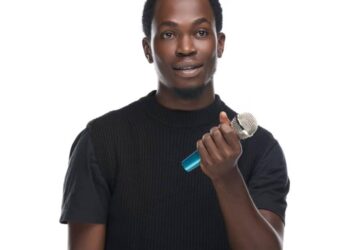
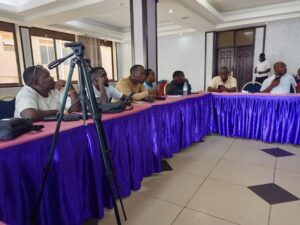
Speaking at a media health café in Mbarara City organized by the Uganda Journalists Health Network (HEJNU) and the Coalition for Health Promotion and Social Development (HEPS), peer coordinator Nakabugo Rose, commonly known as Ssenga, said many colleagues seeking the six‑month injection are being turned away.
“I refer them to health facilities, but they end up bouncing,” she explained. Ssenga urged government to train peers and Village Health Teams (VHTs), noting that overburdened health workers often lack time to provide comprehensive information about the dosage.
“If peers are trained, they can share accurate knowledge with colleagues and help the Ministry of Health reach its goal of eliminating HIV by 2030,” she said.
She pledged to remain alert to new scientific developments to protect young people from acquiring HIV.
Broader Prevention EffortsMbarara health educator and HIV focal person, Dorcus Twinabeitu emphasized that Lenacapavir is only one of several preventive measures, alongside abstinence, condom use, vaginal rings, and post‑exposure prophylaxis (PEP). She noted that the target risk groups include sex workers, truck drivers, pregnant women, and breastfeeding mothers.
Lenacapavir is administered twice a year, with each dose lasting six months. The drug remains in the body for up to a year after the last injection, raising concerns about drug resistance if someone acquires HIV during that period. Health officials stressed the importance of adherence once treatment begins.
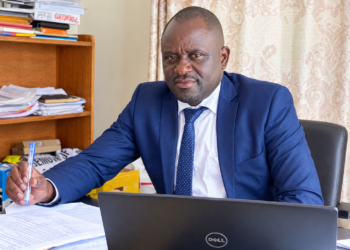
Holy Innocents Children’s Hospital, ART clinic in‑charge Mathias Junior cautioned against relying solely on Lenacapavir, reminding the public that it does not protect against other sexually transmitted infections.
Uganda rolled out Lenacapavir in April 2026 with an initial supply of 19,200 doses. National HIV prevalence among adults stands at approximately 4.9–5.1%, with 1.4 million people living with HIV.
While new infections have declined over recent decades, adolescent girls and young women remain disproportionately affected, accounting for nearly 60% of annual transmissions.
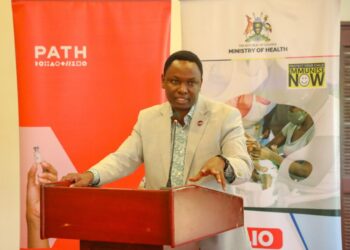
Kenneth Muwonge, Executive Director of HEPS Uganda, said their role is to support the Ministry of Health in reviewing its PrEP communication strategy to include Lenacapavir and curb misinformation about the injection.