












KAMPALA
The national drowning prevention programme has officially been transferred from the Ministry of Works and Transport to the Ministry of Internal Affairs, in a move stakeholders have described as a major governance milestone in strengthening water safety enforcement and implementation of the 2025/2030 National Drowning Prevention Strategy.
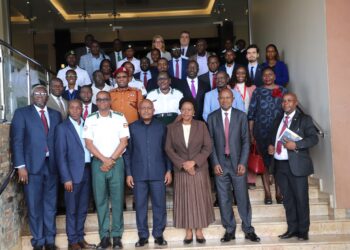
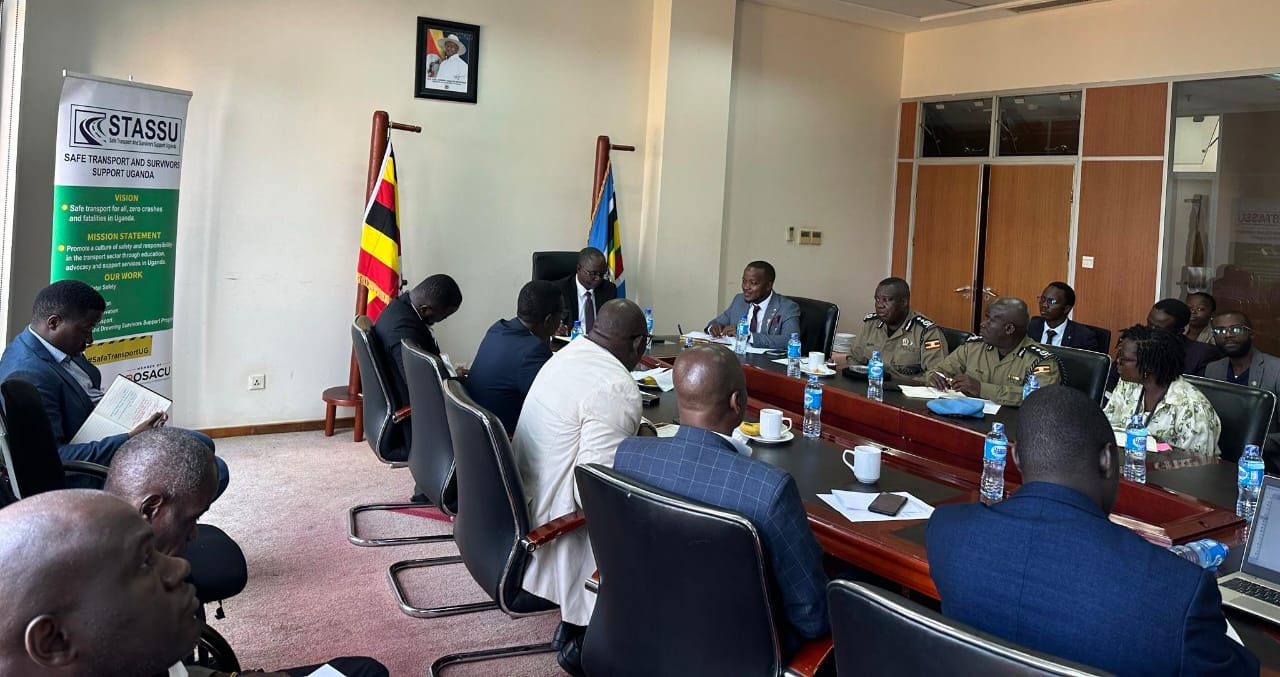
The closed-door transition meeting, held on Wednesday, February 25, 2026, at the Office of the Prime Minister (OPM), places the programme under the leadership of the Uganda Police Force Marine Department.
Fredrick E. Walugembe, Commissioner for Strategic Coordination and Implementation at OPM, who chaired the meeting on behalf of the PS, described drowning as a serious public health threat claiming between 3,000 and 3,500 lives annually in Uganda.
Walugembe acknowledged efforts made under the Ministry of Works and Transport and urged the ministry to continue supporting the Internal Affairs ministry and the Police Marine Department in executing the new mandate.
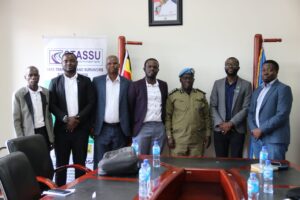
The leadership of drowning prevention has shifted over the years, moving from the Ministry of Water and Environment to the Ministry of Works and Transport, then to OPM, and now to the Ministry of Internal Affairs under the Uganda Police Marine Department.
Parrots Media has learned that the process was facilitated by STASSU with support from the Global Health Advocacy Incubator and coordinated by OPM.
In a post shared on X, formerly Twitter, STASSU said the move is intended to strengthen enforcement, improve coordination on inland water safety and institutionalise drowning prevention within national security and marine operations.
“This is an important governance milestone for drowning prevention in Uganda,” the organisation said in part.
According to STASSU, the shift presents an opportunity to enhance accountability and streamline marine safety operations, especially as preventable drowning incidents continue to affect communities dependent on inland waterways for transport and livelihoods.
Key priorities
During the transition meeting, partners outlined priority areas to ensure the programme’s effectiveness. These include adopting a systems approach to water safety, strengthening emergency and rescue response mechanisms, improving stakeholder coordination and closing existing data gaps.
Participants emphasised the need to harmonise drowning data, particularly cases handled by the Police Fire and Rescue Unit, to ensure accurate national reporting and informed policy interventions.
Sustainability of interventions and continued partner support were also highlighted as critical to achieving long-term impact.
On the other hand, Norman Gwebayanga, who represented the Commissioner for Maritime Administration at the Ministry of Works and Transport, described the transition as critical to strengthening effective institutional operations. He implored MDAs, to actively engage in the transition process and reaffirm their institutional commitments toward implementation of the National Drowning Prevention Strategy.
“Let this meeting reaffirm our collective resolve that while anyone can drown, no one in Uganda should die from a preventable cause,” he added.
The Uganda Police Marine Department disclosed that it has standby boats and trained personnel deployed at various landing sites to support distressed water users. Officials also cited the availability of a toll-free rescue number as part of ongoing drowning prevention efforts.
Uganda has in recent years recorded recurrent drowning incidents on major water bodies, often attributed to weak enforcement of safety measures, limited rescue capacity and inadequate data coordination.
A 2021 report by the Makerere University School of Public Health indicates a severe burden of drowning, particularly in lakeside fishing communities, where drowning rates were estimated at 502 per 100,000 people — nearly 62 times the African regional average of eight per 100,000. The report further shows that Uganda records about 3,000 drowning deaths annually, with 65% occurring among children and young people under 30 years.
Officials said the new arrangement is expected to enhance surveillance, enforcement of marine safety regulations and rapid response operations.
“Drowning is preventable. Coordination and implementation will determine impact,” stakeholders noted.
While the Ministry of Internal Affairs assumes responsibility for multi-sector coordination and sustained national implementation, OPM will retain oversight of the programme.
The meeting further recommended for the mapping of key players in drowning prevention under the Ministry of Internal Affairs, development and finalisation of a sustainability and strategic plan, and continued capacity building support by STASSU to the ministry.
The meeting drew officials from key institutions including the Uganda National Bureau of Standards, Design Without Borders, Global Health Advocacy Incubator, the Ministry of Works and Transport, the Ministry of Health, the Makerere University School of Public Health, the Ministry of Agriculture, Animal Industry and Fisheries and the Uganda Police Force Marine Police.