











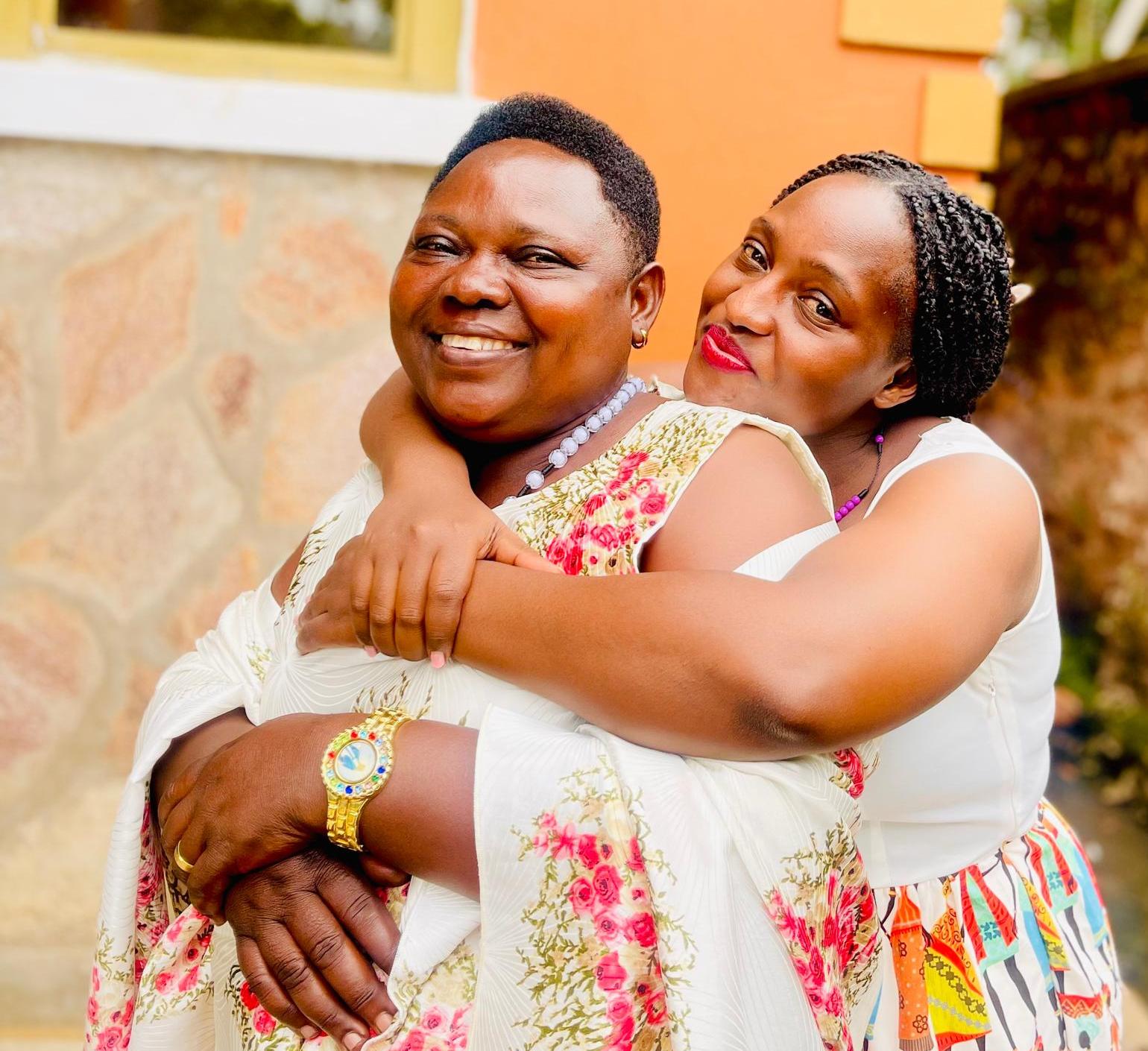
By Joan Uwamaria,
Every year on International Women’s Day, the world pauses to celebrate women — their strength, their resilience, and their immeasurable contributions to families and societies. But as I grow older, I have come to realize that celebrating women should not be limited to a single day on the calendar. For many of us, especially those who were raised by strong and devoted mothers, every day is truly Women’s Day.
This reflection is a letter to my mother.
Growing up, my mother was both sweet and sour at times. There were moments when she was gentle, loving, and comforting, and others when she was strict and unyielding. As a child, I did not always understand her.
I often wondered why she insisted on certain things, why she worried so much, and why she sometimes seemed harder on me than anyone else.
But today, as I grow into womanhood, I finally understand. At 29 years old, I am beginning to feel what my mother must have felt. I understand the constant anxiety of wanting everything to be right — making sure everyone is safe, healthy, and cared for.
I understand the silent pressure women carry in holding families together, often without recognition. It is a responsibility that is heavy yet carried with love.
Looking back, there is one thing I deeply wish I had done more often: I wish I had hugged her more. When I was just seven years old, I was sent to boarding school. My father was a teacher and was frequently transferred from one place to another, and my mother remained behind to keep the home together. At the time, I thought boarding school was simply part of growing up. I did not think much about what it meant for my mother.
But today, I cannot imagine what she went through.
As her only child then, she had to live with the pain of missing me for years. Six long years passed with the distance between us defined by school terms and holidays. Now that I live in Kampala, even though I am able to call her every day, the thought of being far away from her still feels difficult. Sometimes I wonder how she managed that separation with such strength.
Motherhood, I have come to learn, is filled with sacrifices that children often only understand much later in life.
My mother was also very strict about certain things. She carefully watched who I talked to and what I wore. At the time, I felt restricted and misunderstood. I remember moments when I cried, feeling that her rules were unfair.
One particular memory stands out clearly.
One day she asked me to learn how to make millet bread. I remember feeling frustrated and even thinking it was unnecessary pressure. To my young mind, it felt like harassment. I did not understand why she insisted so much on teaching me these traditional skills.
But today, I see it differently.
What I once thought was strictness was actually preparation. What felt like pressure was really love expressed through guidance. My mother was not only raising a child; she was shaping a woman.
She taught me how to cook, not simply to prepare meals, but to be self-reliant. She taught me the value of hard work and how to make money. She showed me the importance of loving others and the deeper importance of loving God.
Through her example, she demonstrated resilience, responsibility, and compassion. These lessons, which sometimes came wrapped in discipline, have become some of the most valuable gifts she ever gave me.
Today, I see my mother not only as a parent but as a pillar, a woman whose quiet strength held everything together.
Mothers carry dreams for their children long before those children understand them. They worry about futures that have not yet unfolded. They sacrifice comfort so their children can have opportunities. Often, they do all this without expecting praise or recognition.
In many homes across the world, mothers are the silent architects of stability. Their work may not always be visible, but its impact is profound.
As daughters grow into women, something beautiful happens: we begin to see our mothers with new eyes. The discipline we once resisted becomes wisdom. The sacrifices we once overlooked become acts of extraordinary love.
Today, I want to say this to my mother:
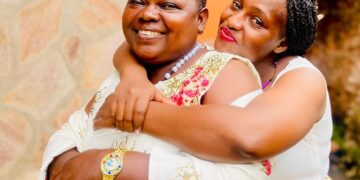
Mom, you are my strength and my rock. I now understand the emotions behind your actions, the love behind your strictness, and the wisdom behind the lessons you insisted I learn.
Thank you for teaching me how to be a woman. Thank you for teaching me how to stand on my own feet, how to care for others, how to work hard, and how to keep faith in God.
Most of all, thank you for loving me in ways I did not always recognize when I was younger. Mom, we love you so much. Dad loves you. Ana loves you. And I love you too. We love you, our dear Nabanja, and we are grateful every day for the strength, care, and love you have given to our family.
To all mothers, we celebrate you. You are our pillars, our teachers, and our guides. The values you instill shape generations, and the sacrifices you make echo far beyond the walls of your homes.
The writer is a Public Relations Practitioner