









NATIONAL
The Forum for Democratic Change (FDC) has proposed a two-term school system in Uganda, saying the current academic calendar places excessive financial pressure on parents and limits interaction between children and their families.
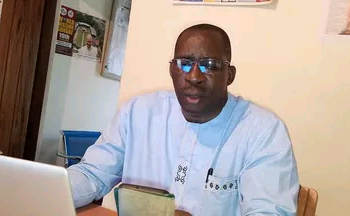
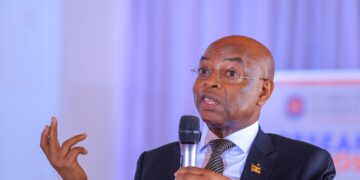
Eng Patrick Oboi Amuriat, the President of the FDC says parents and guardians find difficulties to raise school fees within the short holidays learners spend at home, especially under the existing three-term arrangement.
“Parents are constantly under pressure to raise school fees within very short windows of time while students do not have enough holiday time to spend with parents and guardians at home,” Amuriat said.
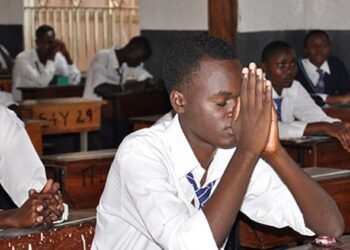
Schools across the country reopened for second term, on Monday, according to the 2026 school’s calendar by the ministry of education and sports.
Amuriat argues that the current system denies children enough time to bond with families and acquire practical life skills outside the classroom.

“In short, save for third term holidays, they live at school and only come home to visit for a week or two and go back,” he said.
He also criticised the practice by some schools of retaining candidate classes during holidays for coaching sessions, saying it deprives learners of opportunities for informal learning within their communities.
According to Amuriat, Uganda’s education system has become excessively examination-oriented, producing learners who are disconnected from society and practical realities.
“The current education system is producing examination candidates, young people who have spent years in classrooms but who are disconnected from family, from community and from reality,” he said.
He proposed for a two-term school system, which he says will reduce the unnecessary pressure facing parents. Under the proposed arrangement, learners would spend at least four months in school followed by two months at home.
Amuriat said the proposed two-term system would reduce the frequency of school fees demands and ease the financial burden on parents and guardians.
“It will create time between children and their families so the children get the informal life skills that no classroom can provide,” he added.
He said longer holidays would also allow children to rest adequately and develop into what he described as “well-rounded human beings rather than examination machines.”