








NATIONAL
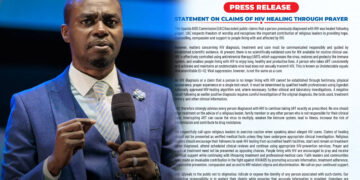
The Uganda AIDS Commission (UAC) has warned the public against claims that HIV can be cured through prayer, saying there is currently no scientifically validated cure for the virus available for routine clinical use.
The warning follows public claims that a person previously diagnosed with HIV had been healed after prayer.
UAC said while religious leaders play an important role in offering hope, counselling and support to people living with HIV, claims about diagnosis, treatment and cure must be based on scientific evidence.
“UAC respects freedom of worship and recognises the important contribution of religious leaders in providing hope, counselling, compassion and support to people living with and affected by HIV,” the Commission said.
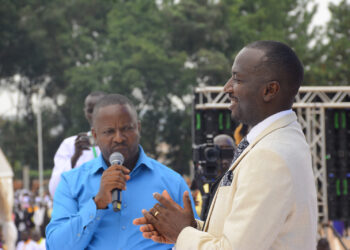
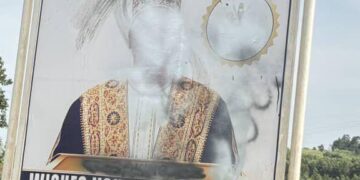
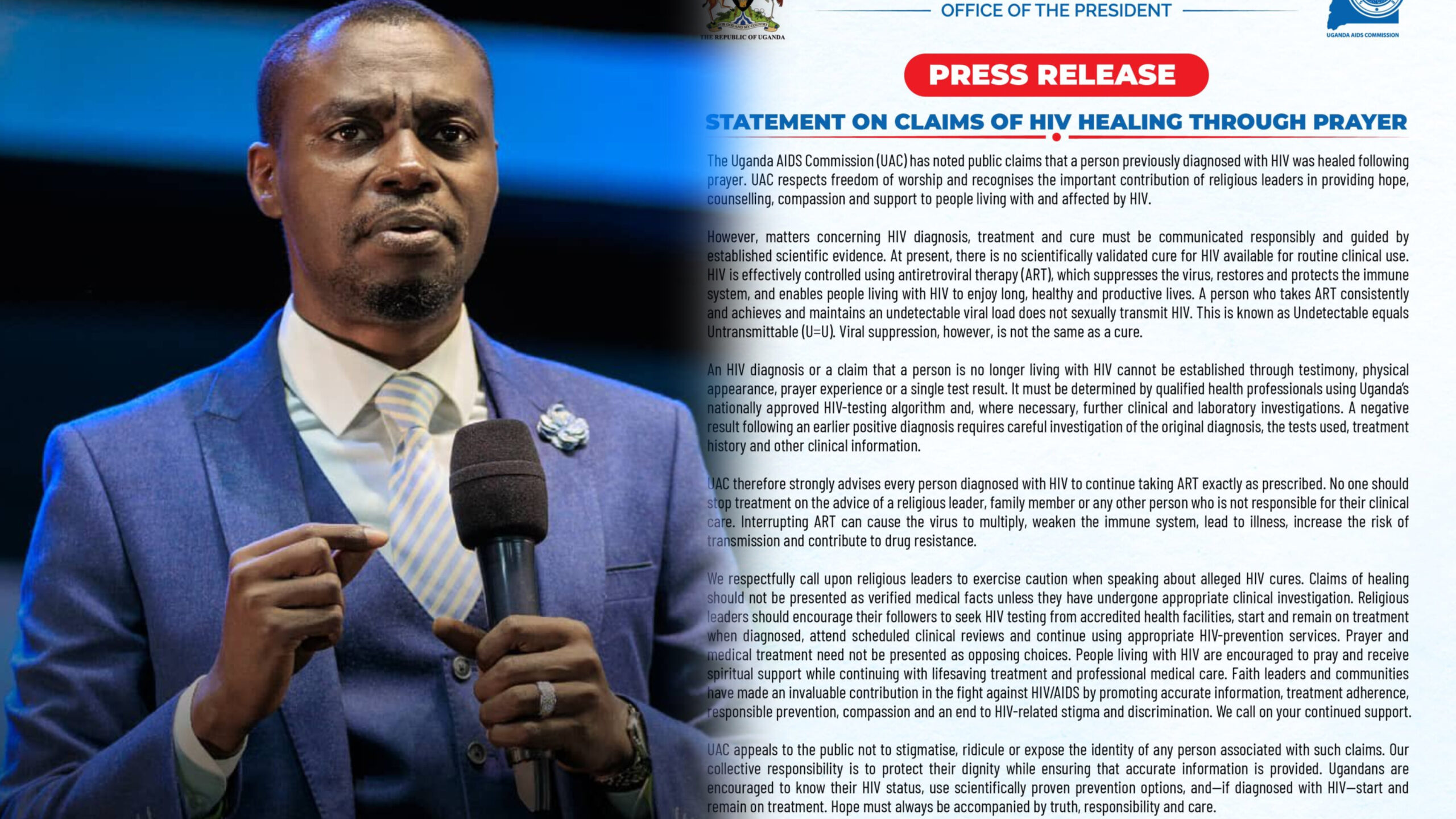
A viral video of Phaneroo Ministries International lead Pastor Apostle Grace Lubega suggests that God can heal a person without taking medicines, but claims healing might take many years. However, UAC called for responsible communication regarding epidemics, especially by influential people.
“However, matters concerning HIV diagnosis, treatment and cure must be communicated responsibly and guided by established scientific evidence.”
The Commission said HIV can currently be effectively controlled through antiretroviral therapy (ART), which suppresses the virus, protects the immune system and enables people living with HIV to live long, healthy and productive lives.
UAC also highlighted the importance of viral suppression, noting that people living with HIV who consistently take ART and maintain an undetectable viral load do not sexually transmit the virus, a principle known as Undetectable = Untransmittable (U=U).
However, it stressed that viral suppression should not be confused with a cure.
“Viral suppression, however, is not the same as a cure,” UAC said.
The Commission cautioned that claims that someone is no longer living with HIV cannot be established through personal testimony, physical appearance, prayer experiences or a single HIV test.
It said such cases should be assessed by qualified health professionals using Uganda’s nationally approved HIV testing algorithm and, where necessary, additional clinical and laboratory investigations.
“A negative result following an earlier positive diagnosis requires careful investigation of the original diagnosis, the tests used, treatment history and other clinical information,” UAC said.
The Commission urged people living with HIV to continue taking their medication as prescribed and warned against stopping treatment on the advice of people who are not responsible for their clinical care.
“No one should stop treatment on the advice of a religious leader, family member or any other person who is not responsible for their clinical care,” it said.
UAC warned that interrupting ART can allow the virus to multiply, weaken the immune system, increase the risk of illness and transmission, and contribute to drug resistance.
The Commission also called on religious leaders to exercise caution when discussing alleged HIV cures and to refer followers to accredited health facilities for testing, treatment and professional medical care.
“Claims of healing should not be presented as verified medical facts unless they have undergone appropriate clinical investigation,” UAC said.
It stressed that prayer and medical treatment should not be presented as competing choices, encouraging people living with HIV to seek spiritual support while continuing with lifesaving treatment and professional medical care.
UAC further appealed to the public not to stigmatise, ridicule or expose the identities of people associated with claims of HIV healing, saying their dignity should be protected while accurate information is provided.
The Commission urged Ugandans to know their HIV status, use scientifically proven prevention methods and, if diagnosed with HIV, start and remain on treatment.
“Hope must always be accompanied by truth, responsibility and care,” UAC said.