













By Leticia Ahirirwe,
OPINION
The conversation around energy transition and sustainable agriculture is incomplete without recognizing the central role women play. Across Africa and the developing world, women are not only the backbone of households but also key drivers of food security, renewable energy adoption, and environmental stewardship. Yet, their contributions often go unrecognized, limiting the potential for meaningful change in the fight against climate change.
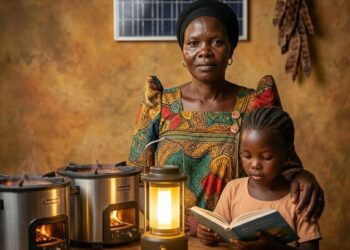
Energy transition—the shift from fossil fuels to renewable and clean energy—is more than a technological shift; it is a social one. Women, especially in rural communities, bear the brunt of energy poverty. They spend countless hours collecting firewood, cooking on inefficient stoves, and managing household energy needs. When women are empowered with access to clean energy—such as solar cookers, biogas, and mini-grids—they not only improve household health and productivity but also drive broader community adoption of sustainable energy solutions.
Research shows that women-led energy initiatives are often more effective because women prioritize household welfare, cost-efficiency, and sustainable practices. By equipping women with training, financial support, and decision-making power in energy projects, societies can accelerate the transition to renewable energy while promoting gender equality.
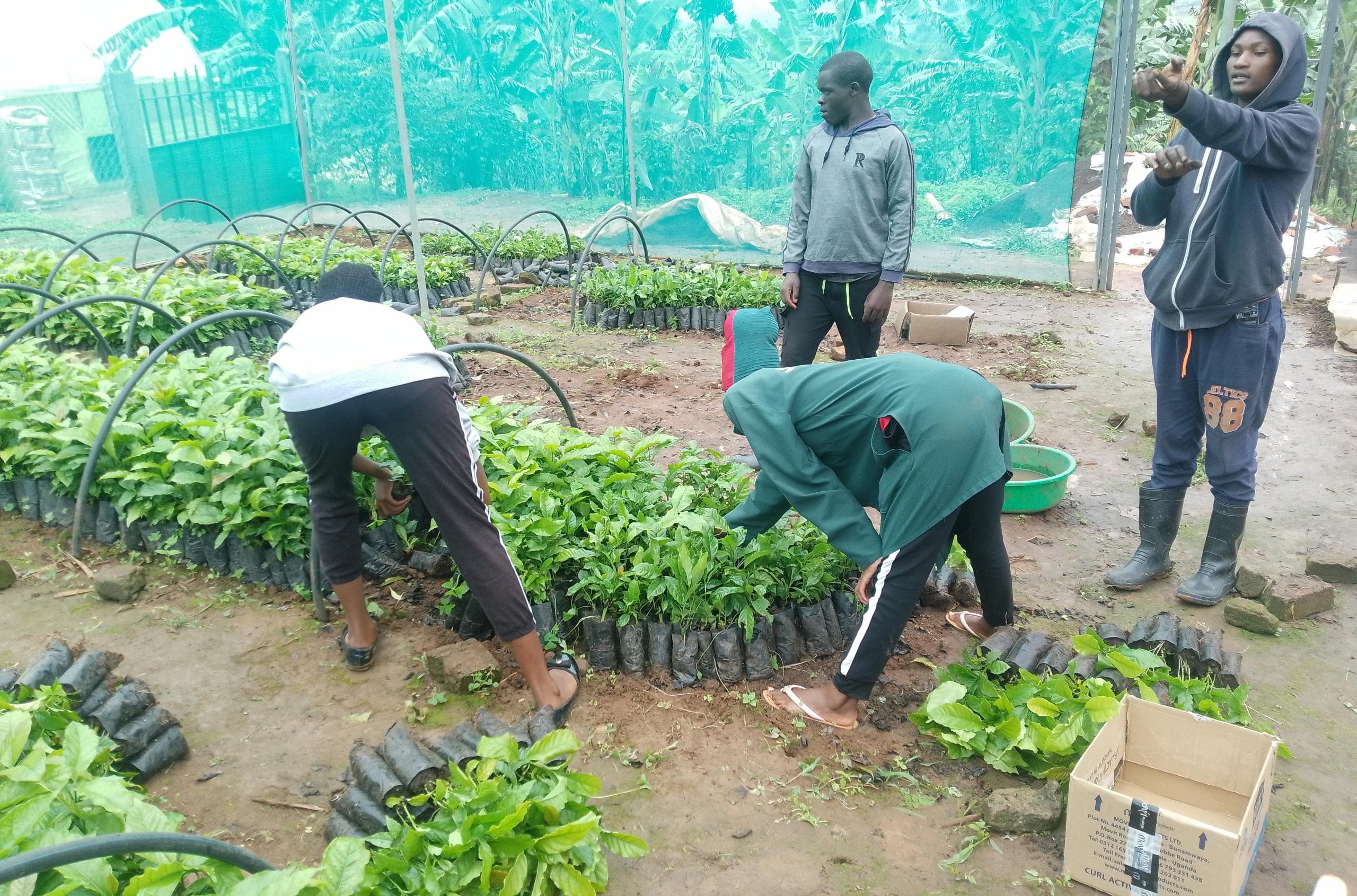
Similarly, women are central to agroecology—the practice of sustainable farming that works in harmony with natural ecosystems. Women farmers are often custodians of traditional knowledge, local seeds, and soil conservation practices. By integrating agroecological principles such as crop diversification, organic fertilizers, and climate-resilient farming, women can enhance food security, conserve biodiversity, and reduce dependence on harmful chemicals.
However, barriers remain. Women frequently lack access to land, finance, and modern agricultural technologies, limiting their ability to scale these sustainable practices. Policies that recognize women’s role, provide technical support, and include them in decision-making are essential for achieving resilient and equitable food systems.
The connection between energy and agroecology is undeniable. Clean energy solutions, such as solar-powered irrigation, biogas digesters, and biomass energy, directly support sustainable farming practices. Women, who are often at the frontline of both energy use and food production, are uniquely positioned to lead this integrated approach, ensuring that energy transition and agroecology reinforce each other for a sustainable future.
Recommendations
Invest in Women-Led Energy Projects: Support female entrepreneurs in renewable energy initiatives through grants, microfinance, and training programs.
Provide Access to Land and Resources: Ensure women farmers have equal access to land, water, credit, and inputs necessary for agroecological practices.
Offer Technical Training: Equip women with knowledge in both renewable energy technologies and sustainable farming methods to enhance productivity and environmental sustainability.
Include Women in Decision-Making: Women should have representation in energy policy and agricultural planning at local, regional, and national levels.
Promote Awareness Campaigns: Educate communities on the benefits of clean energy and agroecology, highlighting the central role of women as drivers of change.
Integrate Energy and Farming Solutions: Encourage synergies between renewable energy solutions and agroecology to maximize efficiency, productivity, and sustainability.
Supporting women in these critical sectors is not only a matter of justice but also a proven strategy for building resilient and thriving communities. Their leadership is indispensable in shaping a sustainable, equitable, and climate-resilient future for all.