







By Gilbert Akampa Kakurugu
MBARARA
The Constitution of Uganda (1995) enshrines the right to life, declaring that no person shall be deprived of life intentionally except through a fair trial and lawful sentence. It also prohibits the termination of an unborn child’s life except as authorized by law. Yet, Uganda’s Penal Code Act and evolving health policies reveal a complex and often contradictory landscape around abortion and reproductive rights.
Under the Penal Code Act: Section 141 criminalizes attempts to procure abortion, targeting those who facilitate the process, especially medical professionals, conviction carries up to 14 years imprisonment, Women who attempt to terminate their own pregnancies face up to 7 years imprisonment while supplying drugs or instruments for abortion is punishable by 3 years imprisonment.
However, the law exempts surgical operations performed in good faith to preserve the mother’s life safe and fully equipped facility recognizing medical necessity in extreme cases.
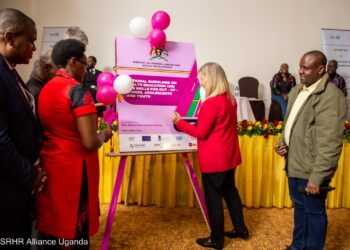
The 2006 National Policy Guidelines and Service Standards for Sexual and Reproductive Health broadened the conversation, recommending termination in cases of:Rape, incest or defilement.
Severe maternal illnesses (cardiac disease, renal disease, pre-eclampsia)
Severe fetal abnormalities (anencephaly, molar pregnancy)
Cancer of the cervix and HIV-positive women requesting termination.
These guidelines, however, remain policy suggestions without the force of law, leaving health workers and women in a legal grey zone.
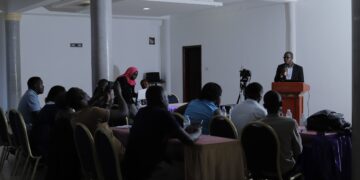
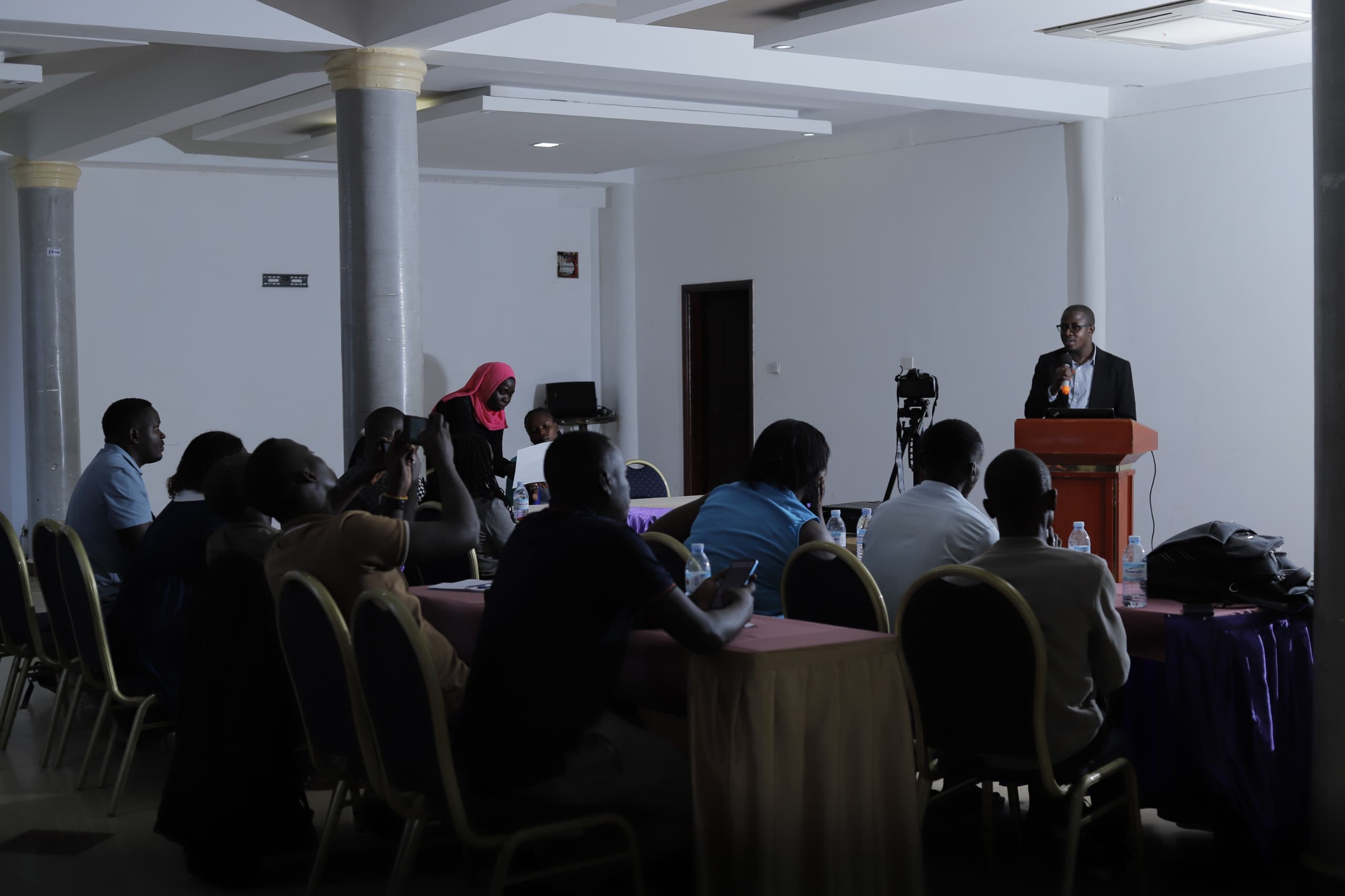
Prof. Kajabwangu Rogers, an obstetrician at Mbarara Regional Referral Hospital and president of Association of Obstetrics and Gaenacologists of Uganda while speaking to journalists during a media cafe organized by the Health Journalist Network Uganda (HEJNU) at Adit Mall in Mbarara city, emphasized that while they await clear legislation, their focus is on family planning and post-abortion care.
“Providing post-abortion care doesn’t mean promoting abortion, it means saving lives,” he said, warning of complications like perforated uterus and hysterectomy when unsafe abortions are attempted.
Alinda Grace, a survivor of unsafe abortion, shared her story of being advised against pregnancy due to medical treatment. When she conceived, abortion became her only option to avoid delivering a non-viable baby. She now works as a community mobilizer, urging advocacy for safe abortion to protect girls from unsafe practices.
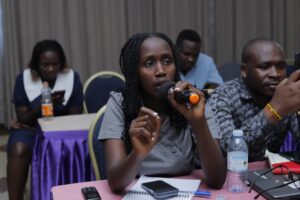
“Many girls suffer unwanted pregnancies and resort to dangerous methods. Some don’t survive,” she said.
Pleasure Nuwenshaba, a midwife at Mbarara Regional Referral Hospital, highlighted ongoing efforts to integrate post-abortion care into maternity services nationwide.
“We are skilling midwives, strengthening referral systems, and ensuring services are available even at Health Centre III,” she explained.
Critics argue that Uganda’s restrictive abortion laws are unconstitutional and violate international human rights standards, particularly regarding women’s autonomy and access to safe healthcare. While policies attempt to bridge the gap, the absence of clear legislation leaves women vulnerable and health workers uncertain.
As Uganda grapples with this sensitive issue, the debate remains at the intersection of law, morality, and public health. For now, family planning and post-abortion care stand as lifelines, while advocates continue pressing Parliament to clarify and expand the legal grounds for safe abortion.